

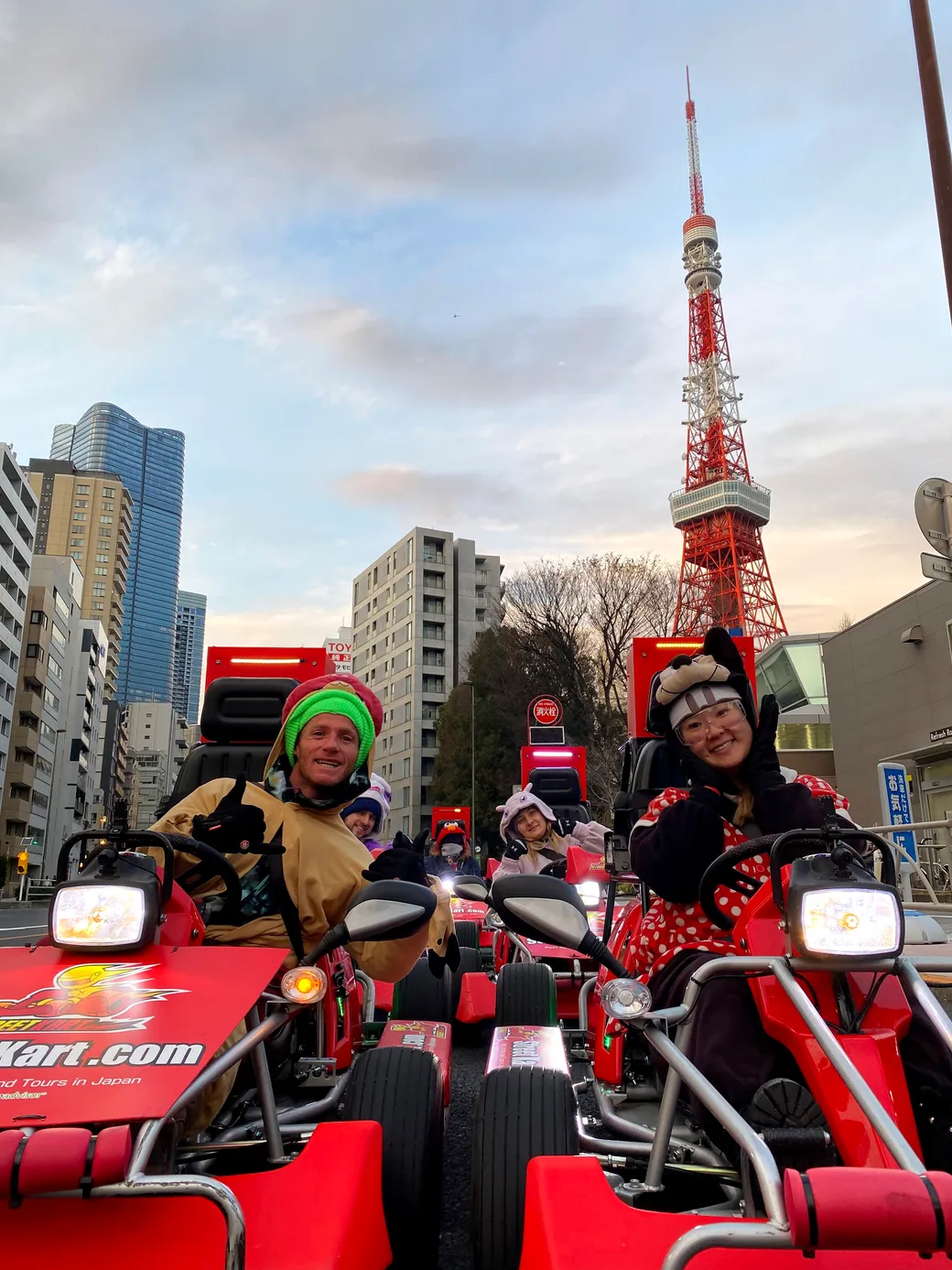
Making the Most of an Osaka Morning: A Street Kart Sightseeing Plan Starting at 9 AM
When people think of sightseeing in Osaka, many picture the lively nighttime scenery and the city’s reputation for great food. But mornings in Osaka have a charm all their own—a time of day when the outlines of the city are easiest to grasp. By getting moving before the crowds really pick up, you can keep travel hassles to a minimum and make it easier to plan out your whole day of sightseeing. If you’re building your schedule around the theme of “Osaka mornings,” connecting your breakfast time with an experience in the city center is an approach that works beautifully.
One option that fits naturally into this plan is a guide-led street kart experience. The official site kart.st describes the Osaka course as an approximately one-hour route that winds through the areas around Amerikamura, Shinsaibashi, and Dotonbori. For anyone who wants to see central Osaka at a different pace than walking, it’s easy to work into a morning sightseeing flow.
Why Morning Sightseeing in Osaka Is So Easy to Plan
The reason morning sightseeing is so manageable comes down to how easy it is to set up the start of your trip. When you begin moving early, you leave more breathing room for your afternoon plans, and it becomes easier to balance meals, shopping, and strolling. Central Osaka’s attractions are relatively densely packed, so how you use those few morning hours can really shape how satisfying your day turns out to be.
Also, taking a moment to settle in with a morning meal makes it easier to check where you are and where you’re headed next before you start moving. When you’re traveling, just getting that first move right can stabilize everything that follows. When you’re thinking about an Osaka morning, designing not just where you’ll eat breakfast but where you’ll head afterward keeps your sightseeing flow from feeling forced.
The streets of Osaka change character from area to area, even within the same city center. Places with the lingering feel of youth culture, spots where shoppers tend to gather, and areas where tourists actively wander are all lined up within a short distance of each other—so even in a short time, it’s easy to feel the variety. Mornings make it relatively easy to follow those transitions, giving you a chance to see the city from a perspective that’s quite different from the crowded afternoon hours.
Use the 9 AM Hour to Set Your Travel Rhythm with a Morning Meal
The 9 o’clock hour is an easy time to use as a warm-up for sightseeing in Osaka. Just taking a morning meal while reviewing your route for the day can change how the whole trip looks. While you enjoy a coffee or a light bite, sorting out your current location, the nearest station, your meeting point, and your next destination on a map app will make everything that follows go more smoothly.
This is especially meaningful for anyone exploring central Osaka for the first time—getting familiar with station and area names in the morning really pays off. Names like Shinsaibashi, Yotsubashi, Namba, and Dotonbori tend to come up within a close range, so getting a feel for how they relate to each other early on means you’re less likely to get lost when you return in the afternoon. The Osaka morning hours are well suited to easing into sightseeing while you organize the information you need.
Central Osaka in the morning can be easier to take in visually than in the afternoon and beyond. As shops finish their preparations and each street’s atmosphere comes to life, you can watch the city build the face it wears for the day. Whether you’re someone who takes photos or simply enjoys walking, rather than cramming your schedule full right away, tuning into the city’s mood first makes it easier to set the rhythm for the whole day.
A Street Kart Experience That Fits Easily Around 11 AM
Within your morning plans, around 11 AM is a great slot to place your main experience. If you walk around the city a little after breakfast and then join, you’ll be able to compare both the quiet early hours and the time when the city starts to come alive. If you want to take in the shifting impressions of each area as one continuous experience—rather than just passing through Osaka—this kind of structure is easy to work with.
For the street kart experience, the official site kart.st has details on the Osaka course. According to what’s posted there, the Osaka course runs about one hour and is structured to take you through Amerikamura, Shinsaibashi, and Dotonbori. Rather than picking up tourist spots one isolated point at a time, it’s better thought of as an experience that connects nearby areas in a single line—which makes it easy to slot into your itinerary.
This route layout suits anyone who wants to compare Osaka’s distinct flavors in a short amount of time. In Amerikamura you’ll catch the sense of the city’s art and culture, in Shinsaibashi the polished impression of a commercial district, and in Dotonbori the lively buzz that Osaka sightseeing is known for—each at a different density. Distinct from going on foot and examining everything in detail, understanding it as an experience of shifting scenery within a steady flow makes it a natural fit for a morning sightseeing plan.
Thinking About the Highlights of the Osaka Course from a Morning Perspective
What makes the Osaka course distinctive is how easily it layers multiple impressions in a short time. Central Osaka has a different atmosphere from area to area, even within the same cityscape. Taking in those differences all at once in the morning sharpens your perspective when you walk the same streets again in the afternoon. Having an overall sense of the place first makes it easier to decide “where to dig deeper later.”
Amerikamura is an area where scenery with a youthful, street-culture vibe tends to leave a strong impression. There’s individuality in the way the streets express themselves and in how the shops present their goods, and even as morning turns toward midday, you can sense the differences in temperature from one street to the next. Passing through in the morning, it works well as a gateway for grasping the city’s outlines, and you can pick up on the atmosphere before the crowds fully arrive.
Shinsaibashi is an area that’s easy to recognize as a hub for shopping and getting around. It can be a place you simply pass through during Osaka sightseeing, but when you view it as part of a route, you start to notice how it’s arranged as a commercial district and how the flow of people gathers there. Getting a sense of how things relate to each other in the morning makes it easier to plan your movements when you return in the afternoon for shopping or a meal.
Dotonbori is an area where there tends to be a gap between the scenery you’re used to seeing in tourist photos and the impression you actually get when you’re standing there. The riverside, the bridges, the signs, the foot traffic—multiple elements come together to create the area’s character. Seeing this area in the morning makes it easier to compare what changes when you walk it at midday or at night, deepening your understanding of Osaka sightseeing.
How to Think About Building It into Your Morning Plan
If you want to center your plan on an Osaka morning, the key is the order of breakfast and your experience. Cramming too much in from the start tends to make checking your route and getting ready for your meeting point feel rushed—so a flow of a morning meal and getting your bearings around 9 AM, your main experience around 11 AM, and then walking around or having lunch afterward holds together nicely. By placing one major experience in the morning, it becomes easy to shift to a stroll-focused afternoon.
For example, a structure where you have a light morning meal around Shinsaibashi or Yotsubashi, check how the surrounding areas relate to each other on a map, and then head to the street kart experience is an easy flow to put together. If you extend toward Dotonbori or Namba after the experience, you can revisit the scenery you saw in the morning—this time on foot. Even in the same place, the information you take in changes quite a bit when your way of moving changes.
In this way, placing the street kart experience at the “center” of your morning sightseeing gives the walks before and after it more meaning. Grasping the big picture first, then going back to look more closely at the places that caught your eye, is an approach that makes it easy to raise the density of your sightseeing even on a short stay. Because central Osaka is close enough to revisit easily, the fact that the morning route experience becomes a basis for your afternoon decisions adds to how easy it is to work with.
Official Information to Check Before Booking
When you’re considering joining, the basic first step is to check the official site. Booking links and course information are posted at kart.st. For the Osaka course in particular, the official page states that it takes about one hour and goes through Amerikamura, Shinsaibashi, and Dotonbori. Rather than deciding based only on summaries in articles or on social media, it’s safest to look at the official page and confirm the details yourself.
As for the documents you need to drive, you’ll want to check the official driver’s license guide page. The guide page explains the required documents by condition—such as a Japanese driver’s license, an International Driving Permit based on the 1949 Geneva Convention, or a driver’s license from an eligible country along with an official Japanese translation. Because requirements differ by country and license category, rather than thinking “I’ll just check when I get there,” it’s realistic to look it over before you set out.
The official site also clearly states that you cannot participate without the original copies of the required documents. If you’ve scheduled the experience as part of your travel itinerary, missing paperwork will directly affect what you can do that day. If you’re slotting it into your Osaka morning hours, it’s important to organize your required documents by the day before so you’re not scrambling in the morning.
Include Clothing and Meeting Points in Your Morning Plan
If you’re adding the experience as part of your Osaka sightseeing, you’ll want to treat not just the booking information but also your day-of preparations as part of your morning plan. The official site explains that you should arrive at the store by 30 minutes before your reservation time. Morning travel may seem to leave plenty of room, but if you’re not familiar with station exits and how things are laid out nearby, it can eat up time. Working backward from your meeting time to set when your morning meal starts will make moving around easier.
As for clothing, the official site advises avoiding heels, sandals, and long skirts. Since how Osaka mornings feel varies by season, you’ll want to prepare with both ease of walking and the day’s temperature in mind. Many people likely move straight into walking around the city before and after the experience, so it helps to choose clothing that’s comfortable throughout your whole day of sightseeing.
Mornings are also a time when the day’s first decisions come one after another. Thinking of breakfast, travel, your meeting point, the experience, and lunch afterward as a single flow makes it easier to connect your individual plans. Rather than considering an Osaka morning in isolation, designing the whole morning as one part is an effective way to bring order to your trip.
How to Use It to Connect to Your Osaka Afternoon
One advantage of adding a street kart experience in the morning is how easily it gives direction to your sightseeing afterward. Central Osaka has plenty of attractions, but it’s also an area where wandering aimlessly can leave you overwhelmed by the sheer amount of information. By grasping the overall picture first with an approximately one-hour route experience, it becomes easier in the afternoon to organize your goals—whether that’s “walking back to take another look at the places that caught my eye” or “prioritizing food and shopping.”
For example, if Amerikamura’s atmosphere stays with you, you can choose to leisurely look around its nearby shops and streets afterward. If Shinsaibashi catches your interest, it’s easy to switch to a shopping-focused afternoon, and if you want to see Dotonbori’s scenery once more, you can enjoy revisiting it at a different time of day. The morning experience becomes the material that gives concrete shape to your afternoon plans.
Osaka is a city where the same place can give a different impression depending on the time of day. When you revisit the streetscape you saw in the morning at midday or in the evening, the foot traffic, the way the light falls, and the activity of the shops can all look different. That’s exactly why morning sightseeing has the value of “creating something to compare it against later.” A plan centered on an Osaka morning is easier to think through when you see it not simply as getting up early to move around, but as a way to give your day of sightseeing more dimension.
Putting Together an Osaka Morning Starting at 9 AM
If you want to make the most of an Osaka morning, a flow where you settle your condition and plans with a morning meal during the 9 o’clock hour and place your main experience around 11 AM is an easy option to put together. The street kart experience in particular—structured, as the official site kart.st describes, to take you through central Osaka in about an hour—is easy to treat as the core of your morning sightseeing. The route connecting Amerikamura, Shinsaibashi, and Dotonbori also makes it easy to create continuity with the walking you do afterward.
As for the conditions for joining, you’ll need to confirm them in advance on the driver’s license guide page. Because the required documents and conditions vary from person to person, it’s essential to look over the official information before booking. The more you want to make good use of your Osaka morning hours, the more stable your whole schedule becomes when you think not just about your actions on the day but also about your preparations beforehand.
Osaka in the morning is a time when it’s easy to discover not just the flashy side but the structure and changes of the city. Start with a morning meal, get a feel for the flow of the city center with a street kart experience, and then go deeper on foot at the places that catch your interest. Building it in this order makes the outlines of Osaka sightseeing easier to see, even within a limited stay. For the latest course information and participation requirements, checking kart.st before you set out will make planning easier.
Our shop does not rent out costumes related to Nintendo or “Mario Kart.” We offer only costumes that respect intellectual property rights.
A Note About Costumes
Our shop does not rent out costumes related to Nintendo or “Mario Kart.” We offer only costumes that respect intellectual property rights.
